The Pink Panther is one of the most recognizable and enduring animated characters in global pop culture. First appearing in the opening credits of The Pink Panther film series in 1963, this smooth, silent, and stylish pink feline quickly stole the spotlight and became a star in his own right. With his clever humor, expressive body language, and unmistakable theme music, the Pink Panther has captivated audiences of all ages for decades.
The Origin of the Pink Panther Character
Unlike many animated characters, the Pink Panther did not begin as the main protagonist of a television show. He was originally created as a visual gag to accompany the opening sequence of a live-action comedy film. However, his charm and unique personality resonated so strongly with audiences that he soon received his own animated series. This transition marked the birth of a cultural icon whose influence would extend far beyond animation.
The Pink Panther is famous for rarely speaking, relying instead on physical comedy and exaggerated expressions to communicate. This silent approach allows the character to transcend language barriers, making him universally appealing. His humor is subtle, clever, and often driven by irony, setting him apart from louder, more chaotic cartoon figures.
Personality and Character Traits
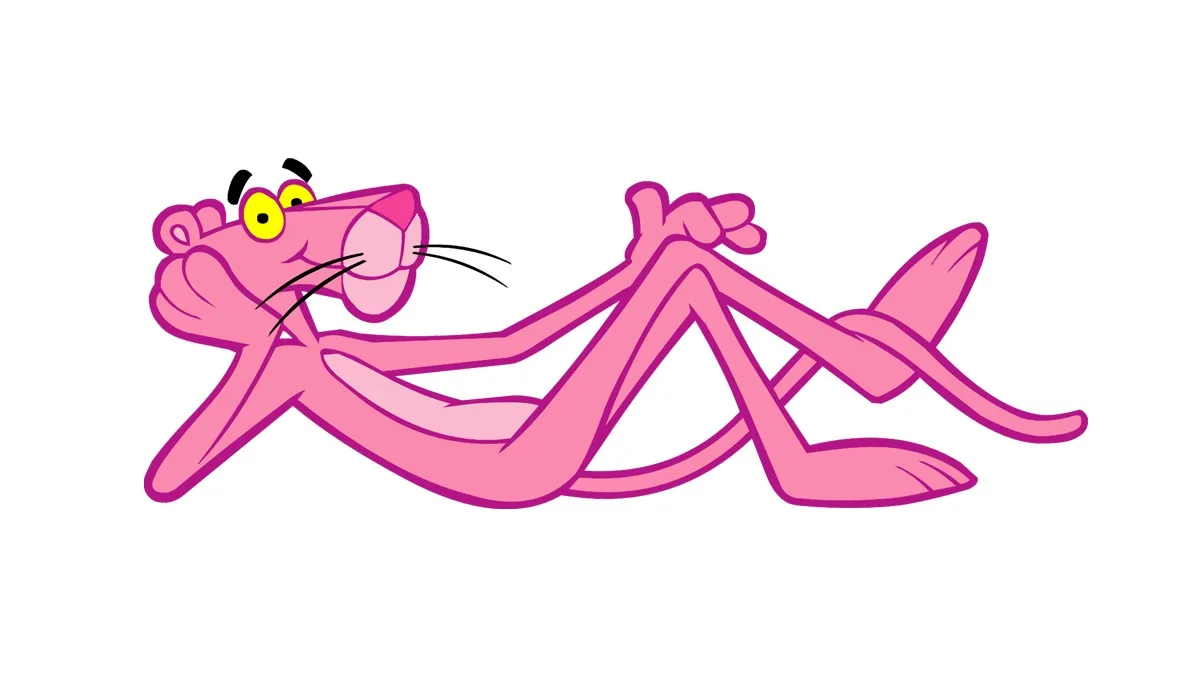
The Pink Panther is calm, confident, and effortlessly cool. He approaches challenges with patience and intelligence, often outsmarting obstacles rather than confronting them head-on. His personality embodies elegance and wit, making him a symbol of sophistication wrapped in playful mischief.
One of the character’s most notable traits is his independence. The Pink Panther frequently finds himself in situations where he must solve problems alone, relying on creativity rather than brute force. This quality reinforces his image as a clever strategist and a character who values clever thinking over confrontation.
Visual Design and Cultural Impact
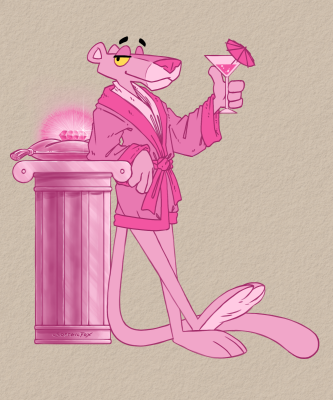
Visually, the Pink Panther is simple yet instantly recognizable. His slim figure, relaxed posture, and expressive movements contribute to his timeless appeal. The soft pink color has become synonymous with the character, influencing fashion, art, and design trends over the years.
The iconic Pink Panther Theme composed by Henry Mancini further elevated the character’s status. The jazzy melody perfectly matches his smooth personality and has become one of the most famous theme songs in animation history. Together, the visuals and music created a brand identity that remains strong even decades later.
Why the Pink Panther Still Matters Today
In a fast-paced digital era, the Pink Panther’s quiet humor feels refreshing. His stories encourage viewers to slow down, observe, and appreciate clever problem-solving. This timeless quality explains why new generations continue to discover and fall in love with the character.
The Pink Panther also represents creativity without boundaries. His lack of dialogue allows audiences to project their own interpretations onto his actions, making each viewing experience personal and engaging. This adaptability has helped the character remain relevant across different media formats, from classic television to modern merchandise.
Pink Panther as a Pop Culture Legend
Over the years, the Pink Panther has evolved into a global symbol of humor, elegance, and nostalgia. From cartoons and films to collectibles and fashion items, his presence remains strong in popular culture. Fans continue to celebrate the character not only for his entertainment value but also for his artistic simplicity and enduring charm.
👉 If you are a fan of Pink Panther, you can find and purchase merchandise inspired by the series at: pinkpanthershop.com
